Active Play and Why Risky Play Matters More Than You Think - Episode 2
This week on Active Play, Every Day, we dive into a topic that makes many parents instinctively tense up - Risky Play.
The climbing, the jumping, the speed, those moments where you pause on the playground, torn between yelling “be careful” and letting your child figure it out.
In this episode, Dr. Emily talks with Dr. Mariana Brussoni, a developmental psychologist and global leader in risky play research, to explore why these heart-racing moments are not to be avoided and are something kids actually need.
Risky play is not reckless play–it is essential play. The science behind it may change how you see safety, anxiety, and development.
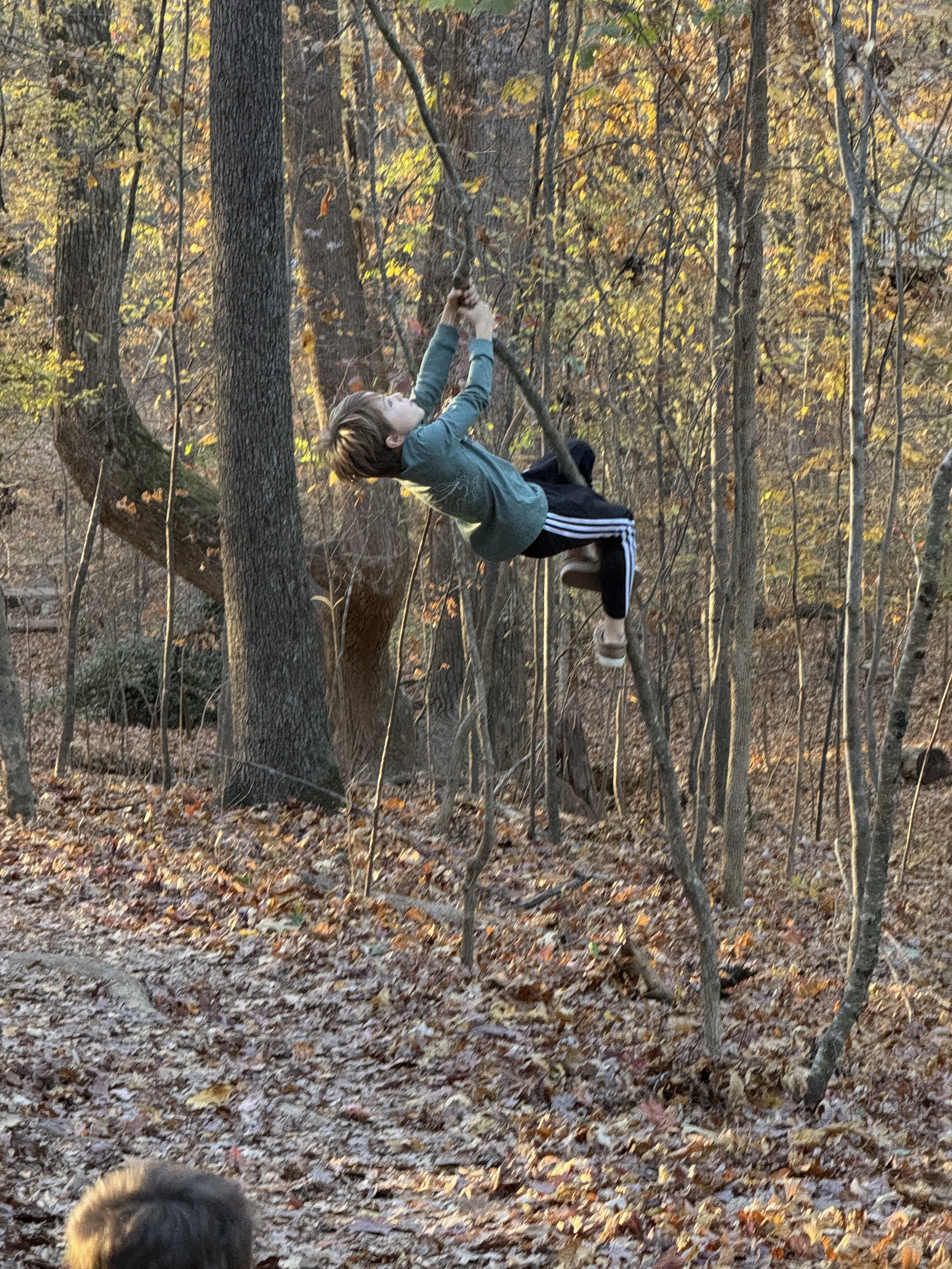
What Counts as Risky Play?
Risky play includes thrilling, exciting activities where kids test limits and navigate uncertainty. Think climbing trees, jumping from logs, moving fast, rough-and-tumble play, or balancing on uneven ground.
These are the moments that often trigger adult anxiety, but they are also the moments where powerful learning happens.
In this episode, Dr. Brussoni explains why children's brains naturally seek these experiences and what happens to their brains when they are allowed to have them.
The Brain Science Parents Rarely Hear
Risky play helps children learn how to regulate fear, excitement, and uncertainty.
Instead of avoiding discomfort, kids practice managing it. When they learn where their limits are, they build confidence in their bodies and decision-making. Over time, these experiences support emotional regulation, resilience, and lower anxiety.
Shielding children from all risks may feel protective, but it can leave them less prepared to handle real-world challenges later.
Risk Versus Hazard. A Crucial Distinction
One of the most helpful frameworks discussed in the episode is the difference between risk and hazard.
Risk is something a child can see, assess, and learn to manage.
Hazards are hidden dangers that require adult intervention.
Understanding this distinction helps parents support independence without compromising safety. And the injury data may surprise you.
When “Be Careful” Does More Harm Than Good
Ever notice how “be careful” slips out before you even think?
Dr. Brussoni explains why this phrase is often unhelpful, and introduces a simple strategy parents can use in those tense moments on the playground.
It involves pausing…Observing…And trusting both yourself and your child.
Today’s Active Play for 60 minutes a Day Prescription for Risky Play:
Trust yourself
Trust your child
Start small
That’s it. No pressure, no perfection, just one small shift at a time.
Resources/References:
Webinar on Embracing Risky Play: At School and Beyond - Feb 5th
OutsidePlay.org - the research lab led by Dr. Mariana Brussoni
Outside Play’s online tool kit for parents, educators, and teachers
Canadian Paediatric Position Statement: Healthy childhood development through outdoor risky play: Navigating the balance with injury prevention
Dr. Mariana’s new book: Embracing Risky Play at School
Subscribe and Share
You can find Active Play, Every Day on Apple Podcasts, Spotify, YouTube, and other popular podcast apps.
If this message resonates, please help spread the word by subscribing, sharing an episode, or leaving a review wherever you listen.
Episode Sponsor
This podcast is sponsored by Nex Playground - an active-play gaming system that helps kids move indoors through full-body games that support learning, coordination, and joy!