Episode 5 - Active Play “Kids to 5K”: The 1% Better Approach to Building Kids’ Confidence Through Running
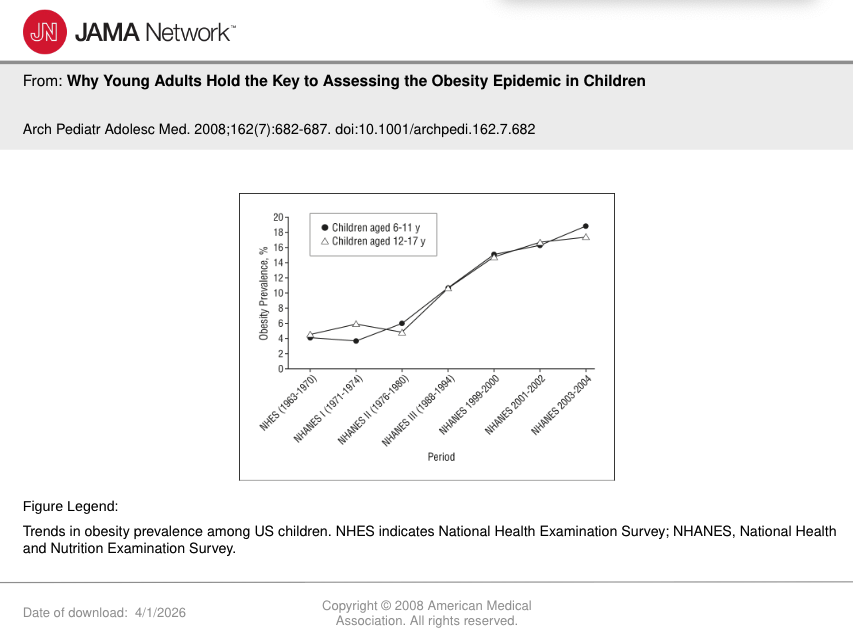
Episode 5 of Active Play, Every Day opens with a sobering reality: childhood obesity rates have tripled since the 1960s. [3]
Dr. Emily sits down with Sherry Wyche, Executive Director of GO FAR, to explore how something as simple as running can transform far more than physical health. It builds confidence, reshapes mindset, and creates meaningful community connections, giving kids a stronger foundation for life.
GO FAR is a nonprofit that teaches children healthy habits, goal setting, and how to train for a 5K. What started in one school in High Point, North Carolina, with just 16 kids has grown into a nationwide movement, helping thousands of children experience movement and active play in a completely new way.
And here’s the shift most families need to hear:
Getting kids active doesn’t require elite sports, natural talent, or a complete lifestyle overhaul. A 1% improvement each day adds up, and over time, that’s how a child who couldn’t imagine finishing a 5K ends up crossing the finish line.
What You’ll Learn from GO FAR
Play isn’t extra, but it’s how kids grow, learn, and build confidence.
Dr. Emily and Sherry unpack why running is just the entry point. What really matters is what it builds beneath the surface: confidence, resilience, and a mindset that carries into every part of life.
Inside this episode, you’ll learn:
Why running is simply the vehicle, and how it builds confidence, resilience, and goal-setting skills
How the “1% better” approach keeps kids motivated and makes big goals feel achievable
Why movement supports not just physical health, but mental health, focus in school, and stronger relationships
What starting from zero actually looks like, even if your child (or you) doesn’t see themselves as a “runner”
How community and shared experiences make active play stick for families
The Active Play Prescription
At the end of every episode, Dr. Emily shares an Active Play Prescription. Sherry’s is simple, practical, and powerful:
1. Get outside and move with your kids. It doesn’t have to be perfect. It just has to be shared. Let them see your energy, your effort, and your joy.
2. Running can feel competitive, but it doesn’t have to be. This is about you versus you. Take away the pressure of sports, school, and performance, and make it about showing up together.
3. Start with one step, one foot in front of the other. Then come back the next time and get just a little better, 1% better. When you model that consistency and mindset, movement becomes something your child wants to do, not something they feel they have to do.
The prescription simplified:
Move together
Keep it fun, not competitive
Focus on 1% better each day
Resources & References
American Academy of Pediatrics: Physical Activity Guidelines
CDC Grand Rounds: Childhood Obesity in the United States. MMWR. Morbidity and Mortality Weekly Report. 2011;60(2):42-6.
GBD 2021 US Obesity Forecasting Collaborators. National-Level and State-Level Prevalence of Overweight and Obesity Among Children, Adolescents, and Adults in the USA, 1990-2021, and Forecasts Up to 2050. Lancet. 2024;404(10469):2278-2298. doi:10.1016/S0140-6736(24)01548-4.
Ogden CL, Carroll MD, Lawman HG, et al. Trends in Obesity Prevalence Among Children and Adolescents in the United States, 1988-1994 Through 2013-2014. JAMA. 2016;315(21):2292-9. doi:10.1001/jama.2016.6361.
Lee JM. Why Young Adults Hold the Key to Assessing the Obesity Epidemic in Children. Archives of Pediatrics Adolescent Medicine. 2008;162(7):682-7. doi:10.1001/archpedi.162.7.682.